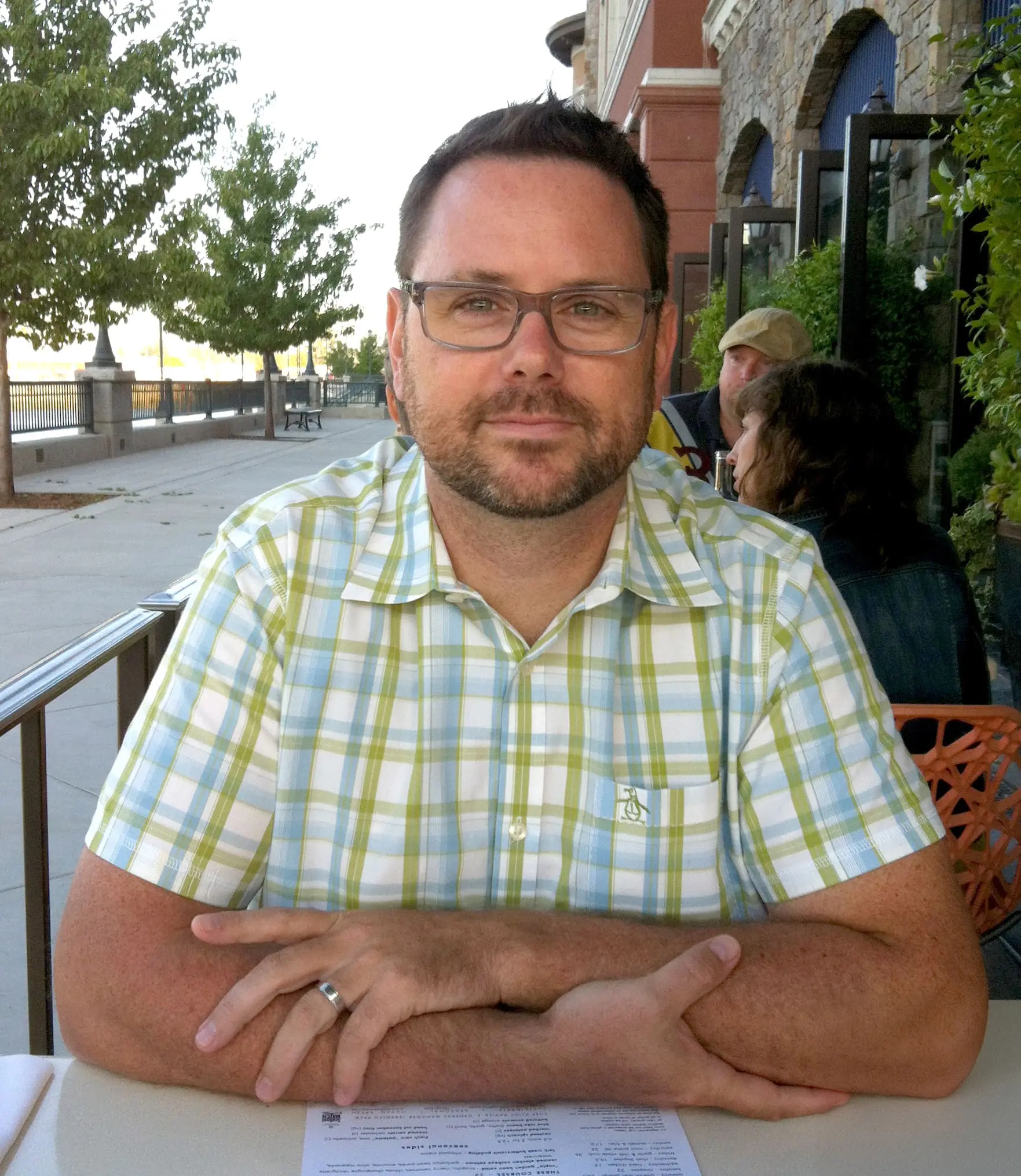
Rick Bakas
Fractional CMO for RWA + Crypto

I build 0→1 marketing engines for RWA & DeFi.
Founders build the code. I build the conviction. The Go-To-Market engine for High-Trust Protocols.
Located in Oregon USA, available worldwide.
Rick Bakas
Fractional CMO for RWA + Crypto
I build 0→1 marketing engines for RWA & DeFi.
Founders build the code. I build the conviction. The Go-To-Market engine for High-Trust Protocols.
Located in Oregon USA, available worldwide.
Proudly worked with:





Proudly worked with:
RWA is a $16T wave. Most protocols are led by brilliant engineers who lack a GTM playbook.
The RWA ecosystem is being built by the smartest technical minds in the world. But a brilliant product isn’t enough. Without a strategic pipeline for partners, funds, and users, even the best tech will fail to get adoption. That’s the gap I fill.
Some of my work:

KYOTO Protocol Blockchain
A carbon negative L1 blockchain for on-chain carbon credits
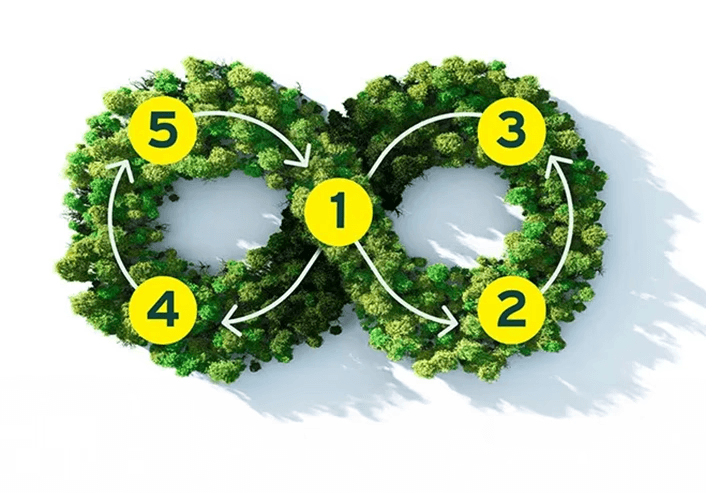
KYOTO Protocol Blockchain
A carbon negative L1 blockchain for on-chain carbon credits
Pin Club Tokenized NFTs
An all-in-one, easy-to-edit solution for creatives.
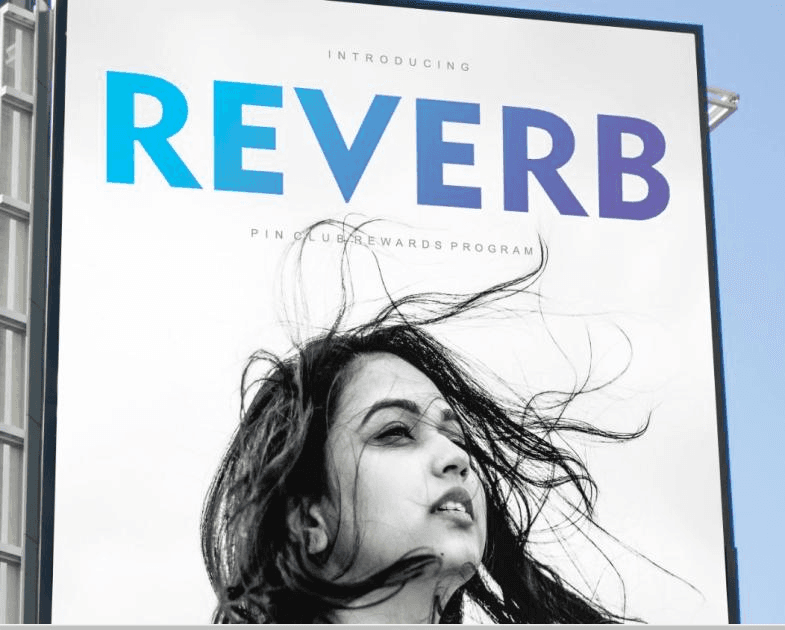
Pin Club Tokenized NFTs
An all-in-one, easy-to-edit solution for creatives.

PressPay Mobile Payments
Secure mobile payment rails before ApplePay
PressPay Mobile Payments
Secure mobile payment rails before ApplePay
The Fractional CMO: C-Suite Strategy, On-Demand
Don’t hire a junior marketer and hope for the best. Hire a seasoned operator for a fraction of the cost to build your entire GTM strategy. I’m not a consultant who delivers a slide deck—I’m a hands-on builder who creates the system and runs the plays.
0→1 GTM Playbook
This is our core offer. We'll build your entire go-to-market strategy from a blank page—defining your ICP (Ideal Customer Profile), crafting your core message, and mapping out the 90-day launch plan.
Brand Narrative & Positioning
A great product isn't enough. We'll leverage my NIKE-honed brand DNA to craft a compelling story that cuts through the noise, builds a loyal community, and makes you the obvious choice in your category.
Demand Gen & Pipeline Architecture
This is where we build the engine. I'll architect the automated, on-chain, and content-driven pipeline (using tools like Hex, Zapier, and your CRM) to attract, nurture, and deliver qualified leads.
RWA Thought Leadership Engine
Your expertise is your best marketing. I'll leverage my deep RWA focus (Crypto Strategy Group) to turn your founder insights into a content engine (reports, threads, articles) that builds authority and trust.
Fractional Leadership & Team Building
I'm not just a consultant who delivers a deck and disappears. I'm your interim marketing leader. I'll manage your junior team, hire the right freelancers, and own the results, giving you C-suite leadership for a fraction of the cost.
0→1 GTM Playbook
This is our core offer. We'll build your entire go-to-market strategy from a blank page—defining your ICP (Ideal Customer Profile), crafting your core message, and mapping out the 90-day launch plan.
Brand Narrative & Positioning
A great product isn't enough. We'll leverage my NIKE-honed brand DNA to craft a compelling story that cuts through the noise, builds a loyal community, and makes you the obvious choice in your category.
Demand Gen & Pipeline Architecture
This is where we build the engine. I'll architect the automated, on-chain, and content-driven pipeline (using tools like Hex, Zapier, and your CRM) to attract, nurture, and deliver qualified leads.
RWA Thought Leadership Engine
Your expertise is your best marketing. I'll leverage my deep RWA focus (Crypto Strategy Group) to turn your founder insights into a content engine (reports, threads, articles) that builds authority and trust.
Fractional Leadership & Team Building
I'm not just a consultant who delivers a deck and disappears. I'm your interim marketing leader. I'll manage your junior team, hire the right freelancers, and own the results, giving you C-suite leadership for a fraction of the cost.
Why Me? I’m a Hybrid Operator.
I’m not just a marketer. I’m an exited founder who knows the 0→2 chaos. I’m a crypto-native who shipped on Solana in 2021, not a tourist. And I’m a brand-builder (ex-NIKE) who knows how to tell a world-class story.
I’m not just a marketer. I’m an exited founder who knows the 0→2 chaos. I’m a crypto-native who shipped on Solana in 2021, not a tourist. And I’m a brand-builder (ex-NIKE) who knows how to tell a world-class story.
Exited Founder
I’ve been in the arena. I know how to build a company, not just a campaign.
Exited Founder
I’ve been in the arena. I know how to build a company, not just a campaign.
Crypto-Native
I shipped a tokenized DeFi project on Solana in 2021. I've survived a bear market.
Crypto-Native
I shipped a tokenized DeFi project on Solana in 2021. I've survived a bear market.
NIKE Brand DNA
I learned from the best. I bring a designer's eye and world-class polish to everything I do.
NIKE Brand DNA
I learned from the best. I bring a designer's eye and world-class polish to everything I do.
CMO
KYOTO Climate L1 blockchain
CMO
KYOTO Climate L1 blockchain
FAQ
What services do you offer?
I specialize in UX/UI design, web development, and branding for individuals and businesses.
How long does it take to complete a project?
Project timelines depend on the complexity, but most are finished within 2–4 weeks, allowing time for feedback and revisions.
Can I request additional revisions?
Yes, you can request extra revisions after the initial ones included in the package, though additional fees may apply.
What tools do you use for design?
I primarily work with Figma for design and Framer for prototyping, ensuring modern and responsive results.
Is coding required to manage the designs you create?
No coding is needed; my designs are fully no-code, making them easy for anyone to update and maintain.
What services do you offer?
I specialize in UX/UI design, web development, and branding for individuals and businesses.
How long does it take to complete a project?
Project timelines depend on the complexity, but most are finished within 2–4 weeks, allowing time for feedback and revisions.
Can I request additional revisions?
Yes, you can request extra revisions after the initial ones included in the package, though additional fees may apply.
What tools do you use for design?
I primarily work with Figma for design and Framer for prototyping, ensuring modern and responsive results.
Is coding required to manage the designs you create?
No coding is needed; my designs are fully no-code, making them easy for anyone to update and maintain.
Your success
is my goal
I’ve worked with 55 clients to build impactful websites that drive results.
Journal
A space where I share updates, insights, and reflections on design, creativity, and growth.
Get CMO-Level Crypto Strategy
Unlock exclusive insights and market intelligence from a Chief Marketing Officer specializing in tokenized assets.
Unsubscribe at any time.
Get CMO-Level Crypto Strategy
Unlock exclusive instights and market intelligence from a Chief Marketing Officer specializing in tokenized assets.
Unsubscribe at any time.